
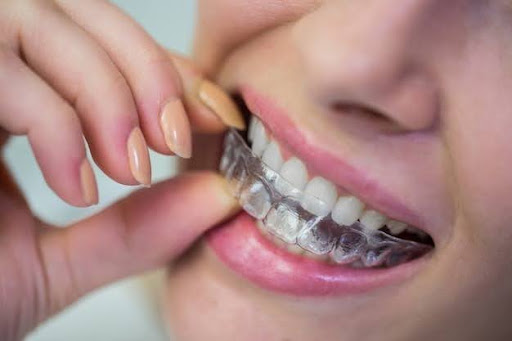
Starting clear aligners is exciting, but the first few weeks can bring questions about soreness, speech, and daily habits. Invisalign treatment gradually moves teeth using a series of custom-made aligners, and comfort often depends on small routines you follow each day. Knowing what is normal helps you feel more confident. This guide is general information and does not replace advice from your dentist or orthodontist. Small habits can make a big difference to your comfort.
1. Expect Some Pressure at First
Mild tightness is common when you begin invisalign treatment or switch to a new aligner. This usually eases as your teeth adjust. Soft foods can help during the first days.
Contact your provider if pain is severe, lasts longer than expected, or feels unusual. Plan to start each new set in the evening so the first sleep helps you adjust. Never change your aligner schedule yourself.
2. Manage Rubbing and Irritation
Aligner edges can sometimes rub your gums, cheeks, or lips. Ask your provider about orthodontic wax or adjustments if invisalign treatment causes sore spots. Check that each tray fits properly.
Do not trim or file trays yourself. Orthodontic wax can cover sharp edges and protect soft tissue. Check that the aligner sits fully on your teeth.
3. Keep Aligners and Teeth Clean
Clean aligners are more comfortable and healthier to wear. Throughout invisalign treatment, brush and floss before putting trays back in, and rinse aligners with cool water. Avoid hot water, which can warp plastic.
Ask your provider which cleaning products are safe, because harsh products may scratch or cloud trays. A clean mouth also helps prevent bad breath.
4. Eat and Drink Wisely
Remove aligners before meals and snacks, then clean your teeth before replacing them. During invisalign treatment, plain water is generally the only drink recommended with trays in.
Follow your provider’s specific instructions. Colored, sugary, or hot drinks can stain aligners and trap sugar against teeth. Brush or rinse your mouth before replacing aligners after meals.
5. Be Patient With Speech
A slight lisp is common at first and usually improves as your tongue adjusts. Reading aloud can help you practice.
Many people find invisalign treatment easier to manage once speaking feels natural again. Tell your provider if speech problems continue. Speaking slowly at first can build confidence.
6. Stay Consistent and Organized
Wearing aligners for the time your provider recommends keeps invisalign treatment on track. Consistent wear prevents tightness from building up. Inconsistent wear can slow progress and make each new set feel tighter.
Carry a case, a spare toothbrush, and wax. Keep every checkup, because your provider monitors progress and adjusts the plan.
Final Thoughts
Invisalign treatment is easier when you expect some soreness, keep aligners clean, and follow your provider’s advice. Stay patient, stay consistent, and ask questions often. Plan each new set for the evening, carry wax and a spare toothbrush, and never trim trays yourself. Contact your dentist if pain is severe or unusual. With habits and professional guidance, you can move steadily toward a healthy, confident smile.
