
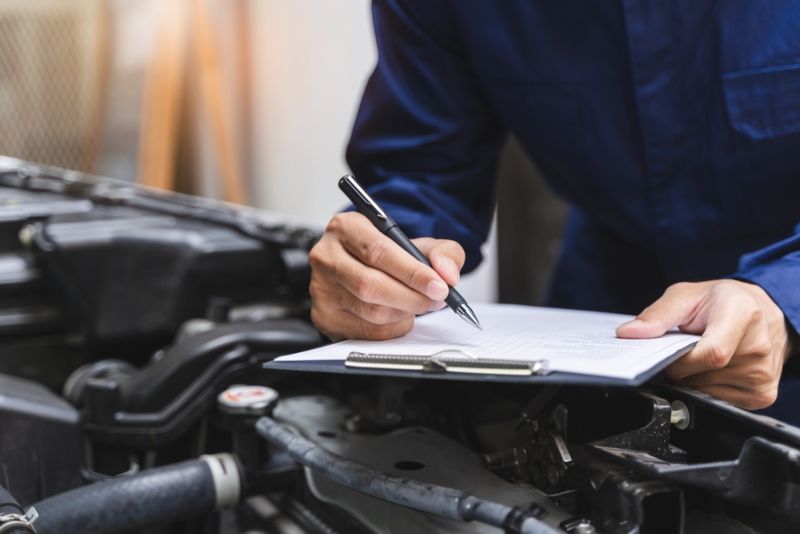
Vehicle safety inspection Des Moines IA services play a critical role in keeping drivers safe on the road while helping vehicles remain reliable throughout the year. Whether you rely on your car for daily commuting, family transportation, or long-distance travel, regular inspections provide valuable insight into your vehicle’s condition and help identify concerns before they become costly repairs.
Modern vehicles are built with advanced safety technologies, but even the most dependable cars require routine evaluations to ensure every component functions properly. From brakes and tires to steering systems and lighting, safety inspections help drivers maintain confidence behind the wheel while reducing the likelihood of unexpected breakdowns.
For residents of Des Moines and surrounding communities, understanding the importance of routine vehicle inspections can help extend vehicle life, improve road safety, and support better long-term ownership experiences.
Understanding the Purpose of Vehicle Safety Inspections
A vehicle safety inspection is a comprehensive assessment designed to evaluate essential systems that affect a vehicle’s safe operation. Unlike basic maintenance services, inspections focus specifically on identifying safety-related concerns that may place drivers, passengers, or other motorists at risk.
Professional technicians typically evaluate:
- Brake performance
- Tire condition and tread depth
- Steering components
- Suspension systems
- Headlights and taillights
- Turn signals
- Windshield wipers
- Mirrors
- Battery condition
- Fluid levels
- Exhaust systems
- Seat belts and safety restraints
Each component contributes to overall vehicle safety. When even one system begins to fail, it can affect vehicle performance and increase accident risks.
Why Des Moines Drivers Should Prioritize Regular Inspections
Driving conditions in Iowa present unique challenges throughout the year. Seasonal weather changes can place significant stress on vehicles and accelerate wear on critical components.
Winter conditions often bring:
- Snow-covered roads
- Ice accumulation
- Reduced visibility
- Road salt exposure
- Cold temperatures affecting batteries
Summer months can create different concerns, including:
- Tire pressure fluctuations
- Increased cooling system demands
- Brake system stress
- Higher operating temperatures
A vehicle safety inspection Des Moines IA service helps identify issues caused by changing weather conditions before they compromise safety or performance.
Common Safety Issues Found During Vehicle Inspections
Many drivers are surprised to learn how frequently routine inspections uncover developing problems. Often, these issues remain unnoticed because they progress gradually over time.
Worn Brake Components
Brake systems experience constant wear. During inspections, technicians commonly discover:
- Thin brake pads
- Warped rotors
- Brake fluid contamination
- Damaged brake lines
Addressing these concerns early helps preserve stopping power and prevents more extensive repairs.
Tire Wear and Alignment Problems
Tires are the only point of contact between a vehicle and the road. Uneven tread wear may indicate:
- Alignment issues
- Suspension problems
- Improper inflation
- Tire imbalance
Regular inspections help ensure optimal traction and handling.
Steering and Suspension Concerns
Steering and suspension systems directly impact vehicle control. Technicians often identify:
- Worn ball joints
- Damaged tie rods
- Leaking shocks
- Failing struts
Early detection helps maintain stability and driving comfort.
Lighting Failures
Faulty lighting systems are among the most common inspection findings. Burned-out bulbs or malfunctioning signals reduce visibility and increase accident risks, especially during nighttime driving.
The Financial Benefits of Routine Vehicle Inspections
Many vehicle owners view inspections as an added expense. In reality, regular inspections often help reduce overall ownership costs.
When problems are identified early, repairs typically remain smaller and more affordable. A minor brake issue, for example, may require only pad replacement. If ignored, the same issue could lead to rotor damage and significantly higher repair costs.
Benefits include:
- Reduced repair expenses
- Improved fuel efficiency
- Longer vehicle lifespan
- Fewer emergency breakdowns
- Better resale value
Preventive maintenance and inspections work together to protect a vehicle owner’s investment over time.
How Safety Inspections Support Vehicle Reliability
Reliability depends on more than routine oil changes. Every system within a vehicle must operate as intended to deliver consistent performance.
A thorough vehicle safety inspection helps confirm that critical systems remain in proper working condition. By identifying wear patterns and potential failures early, technicians can recommend corrective actions before reliability is compromised.
Drivers who schedule regular inspections often experience:
- Fewer roadside emergencies
- Improved vehicle performance
- Greater confidence during travel
- Reduced maintenance surprises
This proactive approach supports long-term vehicle dependability.
Key Components Evaluated During a Vehicle Safety Inspection Des Moines IA Service
Brake System Evaluation
Brake inspections typically include:
- Pad thickness measurements
- Rotor condition assessments
- Hydraulic system checks
- Brake fluid inspections
A properly functioning brake system remains one of the most important safety features in any vehicle.
Tire Assessment
Technicians evaluate:
- Tread depth
- Tire pressure
- Sidewall condition
- Uneven wear patterns
Healthy tires contribute to safe acceleration, braking, and cornering.
Suspension Inspection
Suspension components help absorb road impacts while maintaining vehicle control. Inspection procedures often include reviewing:
- Shocks
- Struts
- Springs
- Control arms
- Bushings
Battery and Electrical Testing
Electrical system performance affects vehicle starting reliability and safety equipment functionality.
Technicians may examine:
- Battery voltage
- Charging system output
- Electrical connections
- Lighting operation
Visibility Systems
Clear visibility remains essential for safe driving. Inspection points often include:
- Windshield condition
- Wiper blade performance
- Washer fluid systems
- Mirrors
These components support safe operation during adverse weather conditions.
Signs Your Vehicle May Need an Immediate Inspection
While routine inspections are beneficial, certain warning signs indicate the need for prompt evaluation.
Watch for:
- Brake squealing or grinding
- Vibrations while driving
- Pulling to one side
- Dashboard warning lights
- Uneven tire wear
- Steering difficulties
- Fluid leaks
- Reduced fuel efficiency
- Strange noises
Ignoring these symptoms can allow minor concerns to develop into larger mechanical issues.
The Role of Professional Technicians
Vehicle inspections require expertise, training, and specialized equipment. Professional technicians understand how vehicle systems interact and can identify warning signs that may not be obvious to drivers.
Experienced automotive professionals use:
- Diagnostic tools
- Measurement equipment
- Industry procedures
- Manufacturer recommendations
This comprehensive approach helps ensure accurate assessments and reliable recommendations.
Safety Inspections and Long-Term Vehicle Ownership
Vehicles represent a significant investment for most households. Protecting that investment requires more than reacting to problems after they occur.
Consistent inspections contribute to:
- Improved operational safety
- Extended component life
- Lower repair costs
- Better resale opportunities
- Greater peace of mind
Drivers who adopt preventive maintenance habits often enjoy more dependable transportation and fewer unexpected expenses.
Creating an Effective Inspection Schedule
Inspection frequency may vary depending on:
- Vehicle age
- Mileage
- Driving habits
- Road conditions
- Manufacturer recommendations
As a general guideline, many automotive professionals recommend scheduling a comprehensive safety inspection at least once annually. Vehicles with higher mileage or heavy usage may benefit from more frequent evaluations.
Combining inspections with regular maintenance appointments creates an efficient strategy for keeping vehicles in excellent condition throughout the year.
Why Preventive Vehicle Care Matters
Preventive vehicle care remains one of the most effective ways to reduce risk on the road. Every inspection provides an opportunity to identify wear, monitor component performance, and address concerns before they become major issues.
A proactive approach helps drivers:
- Avoid unexpected breakdowns
- Improve driving safety
- Preserve vehicle value
- Support reliable transportation
- Reduce long-term repair costs
Rather than waiting for symptoms to appear, routine inspections provide valuable insight into a vehicle’s current condition and future maintenance needs.
Final Thoughts
Scheduling a vehicle safety inspection Des Moines IA service is one of the smartest decisions vehicle owners can make. Regular inspections help identify hidden concerns, improve reliability, and support safer driving throughout every season.
From brake systems and tires to steering components and visibility equipment, every inspected component contributes to overall road safety. By investing in preventive inspections and working with qualified automotive professionals, drivers can enjoy greater confidence behind the wheel while protecting both their vehicles and their families.
For anyone seeking dependable vehicle performance and long-term peace of mind, routine safety inspections remain an essential part of responsible vehicle ownership. Working with trusted automotive professionals such as Shade Tree Auto can help ensure your vehicle receives the thorough attention it needs to remain safe, reliable, and ready for the road ahead.